




The Horror of Ordinary Spaces
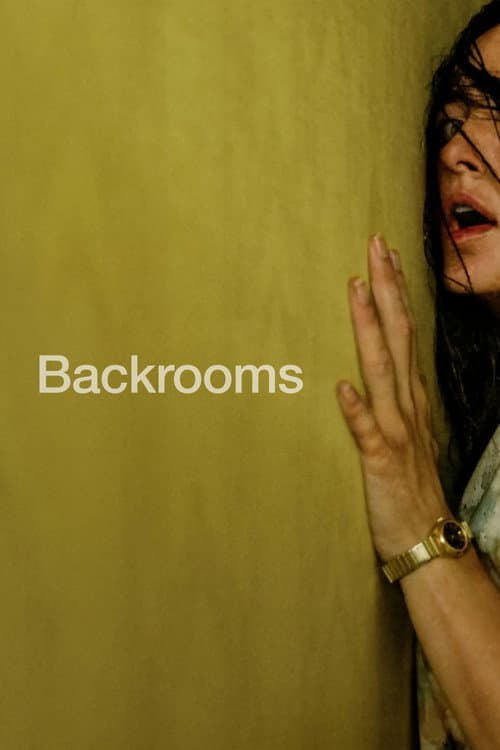
Kane Parsons’ Backrooms posits that the scariest thing of all might be nothingness itself—an empty office building where the only certainty is existential dread. The film capitalizes on a sense of isolation that is both deeply unsettling and thought-provoking. It’s a horror film that doesn’t rely on jump scares but rather on the slow, creeping terror of being truly alone. This is no Train to Busan ride of thrills; it’s a dive into the psychological.
Moments of Paranoia
There’s a scene where the protagonist, Mark, finds himself trapped in a labyrinthine office space, the fluorescent lights flickering ominously overhead. As he wanders, the camera never gives him the release of a full perspective. This technique, familiar to fans of The Conjuring: Last Rites, keeps the audience in a state of anticipation. When Mark believes he hears a distant voice, the camera pans to an empty hallway. Silence. It's a brilliant use of sound and space that makes you question your own senses.
The Quiet Terror
One of the most disturbing sequences involves a simple act: Mark sits in an empty break room, the hum of the vending machine the only sound. Suddenly, the lights cut out. Parsons chooses this moment to hold the screen in pitch black for a full 60 seconds. It’s audacious and tests the audience's patience, but it’s this exact discomfort that makes the scene unforgettable. This use of darkness mirrors the kind of ambient terror you'd find in Final Destination Bloodlines, but stripped of its spectacle.
Where It Loses the Thread
While Backrooms is conceptually strong, it sometimes falters under its own weight. There’s a segment in the middle where Mark stumbles upon a series of seemingly identical corridors that drags the film into monotony. What is meant to be a metaphor for existential dread ends up feeling more like narrative filler. Unlike Interstellar, which uses every minute to build its expansive universe, Backrooms occasionally falls into the trap of repetitive scenery.
A Directorial Gamble
Kane Parsons' decision to avoid conventional horror tropes is both a blessing and a curse. In a world where America’s cinema often champions the grandiose, like in M3GAN 2.0, his minimalist approach is refreshing. However, the lack of any traditional 'monster' or antagonist may leave those craving more overt horror elements unsatisfied. It’s a gamble, and while it pays off in creating a unique atmosphere, it risks alienating those looking for a more traditional horror experience.
Subtle Performances and Their Impact
Actor Jacob Ward, playing Mark, is tasked with carrying the emotional weight of the film almost single-handedly. In a scene where he encounters what seems to be a bloodstain on the carpet, Ward's restrained performance conveys a palpable fear without a single scream. His work is reminiscent of actors who can do the work of three with just a glance, grounding the film in a relatable reality amidst its surreal setting.
How Many Will Find This Terrifying?
Backrooms is not for everyone. Those who appreciate the psychological intensity of films like Final Destination Bloodlines will find something to chew on here. But if you're searching for the breakneck pace of a more mainstream horror flick, you might leave the theater wanting. It’s a film best approached with patience and a taste for the understated.
🎬🎬 Discover More World Cinema
Continue your cinematic journey with these handpicked selections
What Works
- ✓Parsons' use of space and silence creates a genuinely terrifying atmosphere.
- ✓Jacob Ward's minimalist performance keeps the film grounded in reality.
- ✓The audacious use of prolonged darkness invites the audience to experience true discomfort.
What Falls Short
- ✗The middle 40 minutes drag badly — not ambiguously slowly, just slowly.
- ✗Lack of conventional horror elements might bore those seeking more action-oriented scares.
Final Verdict
Kane Parsons' Backrooms is an exploration of fear's subtler aspects, turning ordinary spaces into psychological traps. Fans of atmospheric horror will revel in this film's quiet tension, but others may find its minimalism off-putting. Approach this film with an open mind and prepare to be unsettled by what isn't shown as much as what is. It’s a horror film that asks more questions than it answers, and maybe that's the point.