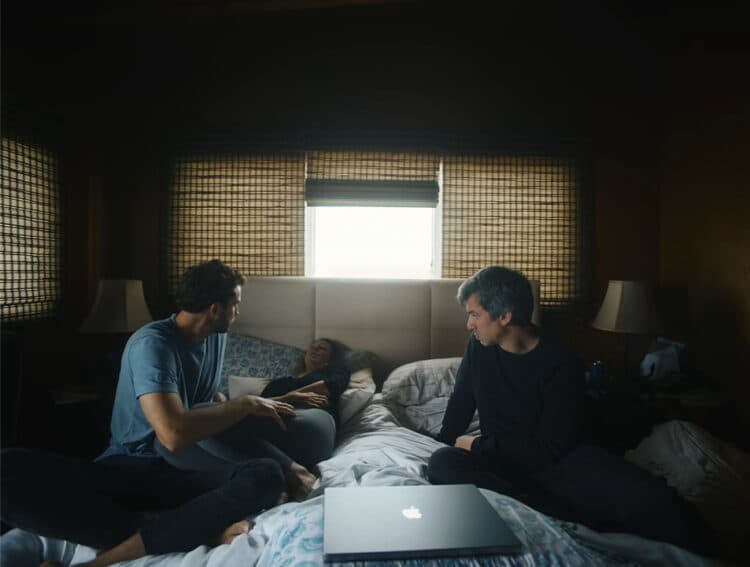
‘Klara and the Sun’ Review: Taika Waititi's Android Fantasy Falls Flat
Taika Waititi's adaptation of Kazuo Ishiguro's 'Klara and the Sun' misses the mark, despite a star-studded cast including Jenna Ortega and Amy Adams. This article delves into the film's shortcomings and its impact on contemporary world cinema.

‘Klara and the Sun’ Review: Taika Waititi's Android Fantasy Falls Flat
In a stunning move, acclaimed director Taika Waititi has delivered a cinematic misstep with 'Klara and the Sun.' Despite the anticipation surrounding the film, starring Jenna Ortega and Amy Adams, the adaptation of Kazuo Ishiguro's novel has left audiences and critics perplexed. What was expected to be a compelling exploration of artificial intelligence and human emotion has instead been criticized as a calamitous fantasy, lacking depth and direction.
The film, released earlier this month, was supposed to be a significant addition to world cinema. However, the execution has left much to be desired. Fans of Waititi, known for his previous successes in blending humor and heart, are left wondering how this adaptation went astray. The film's misjudged tone and unconvincing narrative have overshadowed a potentially rich source material, prompting a deeper look into what went wrong.
What Went Wrong in 'Klara and the Sun'?
Misjudged Adaptation
'Klara and the Sun' attempts to balance humor and poignancy, a hallmark of Waititi's directorial style. However, this time, the balance tips unfavorably. The film's comedic elements overshadow the profound themes present in Ishiguro's novel, leaving audiences disconnected from the narrative. Jenna Ortega's portrayal of Klara, the android protagonist, feels stilted, largely due to the film's uneven tone.
Lack of Emotional Depth
Amy Adams, a seasoned actress known for her emotional range, fails to bring the necessary depth to her character. The screenplay, focusing more on laughs than emotional resonance, undermines her performance. This lack of emotional depth is a significant departure from Waititi's previous works, which have successfully interwoven comedy with heartfelt storytelling.
Technical Aspects: A Glimmer of Hope
Cinematography and Visual Effects
Despite its narrative shortcomings, 'Klara and the Sun' excels in its technical execution. The film's visual effects and cinematography stand out, providing a visually stunning backdrop that complements its futuristic setting. The aesthetic choices, while admirable, are not enough to salvage the film from its narrative pitfalls.
Soundtrack and Score
The soundtrack, curated to enhance the film's emotional undertones, is another positive aspect. The music, while well-composed, often feels misaligned with the film's comedic elements, further highlighting the tonal inconsistency.
Cultural Significance and Impact
Missed Opportunity in World Cinema
'Klara and the Sun' was poised to make a significant impact on world cinema, given Ishiguro's international acclaim. The novel's exploration of artificial intelligence and ethical dilemmas presented a unique opportunity to engage with contemporary societal issues. Unfortunately, the film's execution dilutes these themes, offering little in terms of cultural or philosophical insight.
Comparisons to Other Adaptations
Compared to other recent adaptations of literary works, such as 'Follow Us # iCarus' (2024) by Caroline Wloka, 'Klara and the Sun' falls short. 'Follow Us # iCarus' successfully translates its source material into a compelling narrative, highlighting the potential of well-executed adaptations in engaging global audiences.
Final Verdict
What to Watch Instead
For those seeking a meaningful exploration of artificial intelligence and human emotion, 'Follow Us # iCarus' provides a more satisfying cinematic experience. Directed by Caroline Wloka, this drama delves into the complexities of digital identity and societal transformation, offering a poignant reflection on modern life.
🎬 Watch the trailer:

🎬 Follow Us # iCarus Trailer
Conclusion: A Missed Mark for Waititi
Taika Waititi's 'Klara and the Sun' serves as a reminder of the challenges inherent in adapting literary works to the screen. While the film showcases technical prowess, its failure to connect emotionally with audiences diminishes its impact. As Waititi moves forward, cinema enthusiasts hope for a return to the thoughtful storytelling that has defined his career.
Looking Ahead in World Cinema
The reception of 'Klara and the Sun' highlights the importance of narrative cohesion and emotional depth in world cinema. As filmmakers continue to explore the intersection of technology and humanity, the demand for thoughtful and engaging storytelling remains paramount. The lessons learned from this adaptation will undoubtedly influence future projects, steering them toward more successful engagements with complex themes.
In the ever-evolving landscape of cinema, audiences can look forward to new releases that challenge and inspire, reaffirming the art form's power to reflect and shape our understanding of the world.
🎬📽️ Keep Exploring
Discover more world cinema with these curated selections
Share This Article
Help others discover great cinema! 🎬